P(l)ACE OF P(l)ACES
2025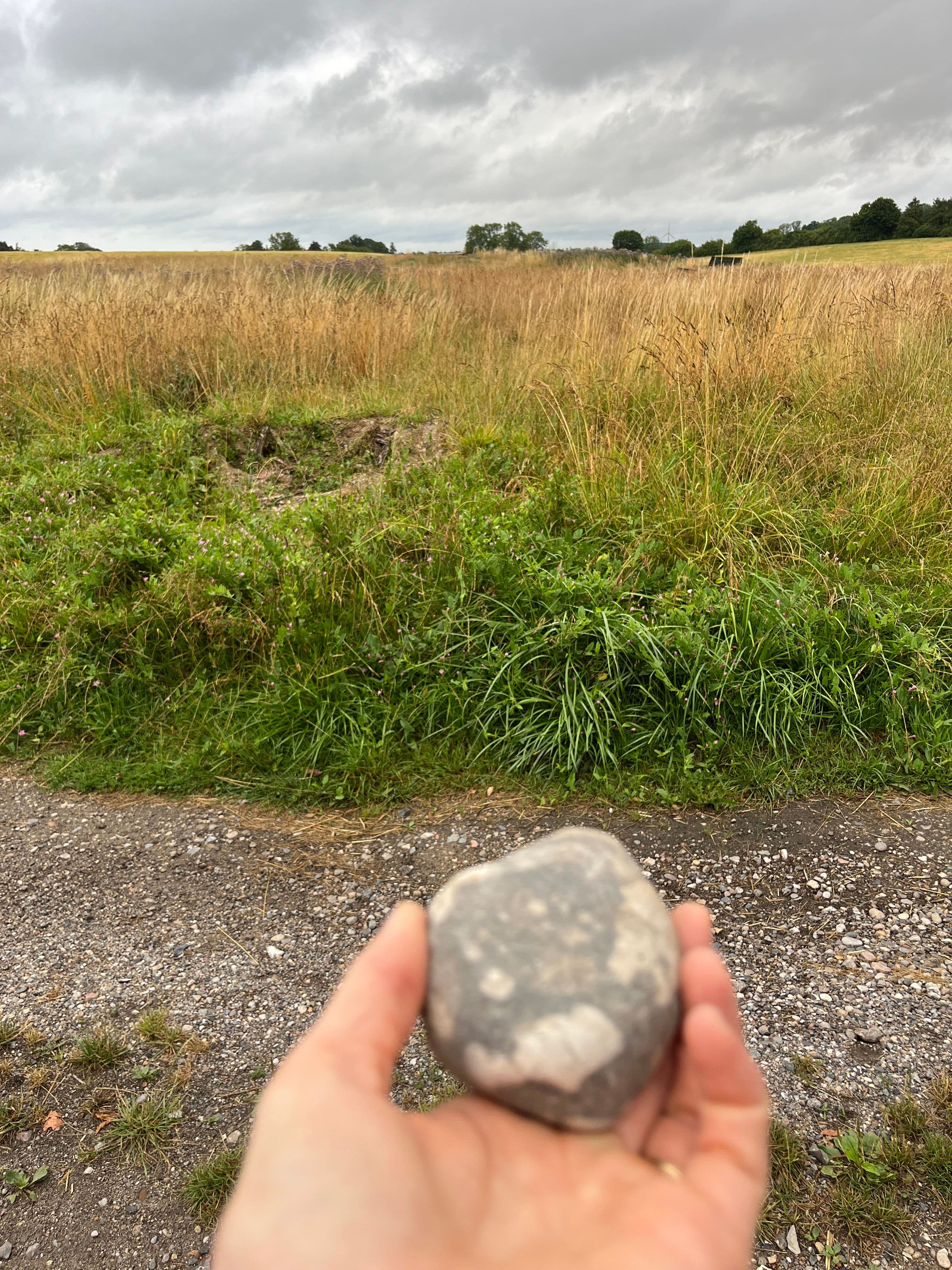
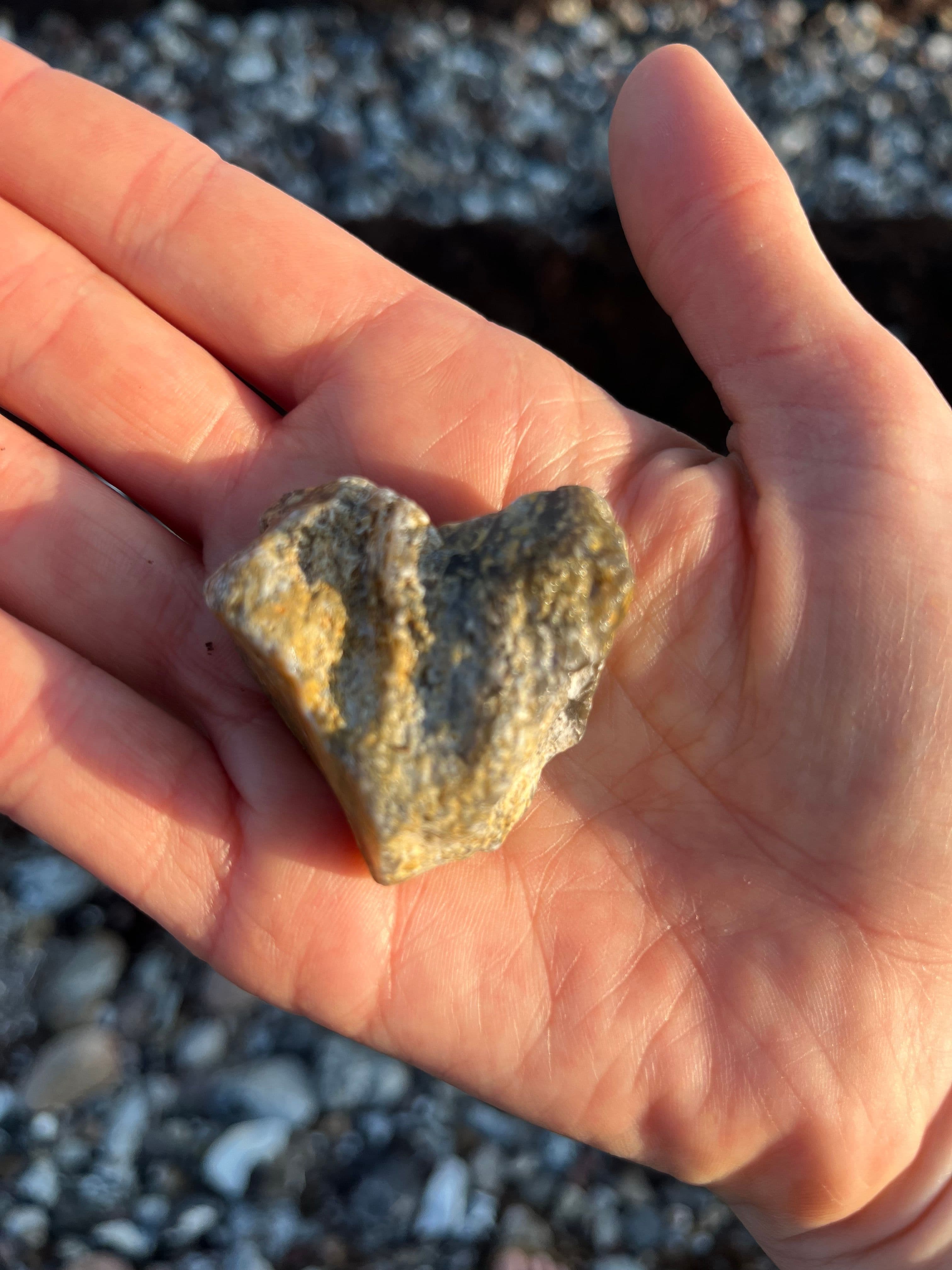
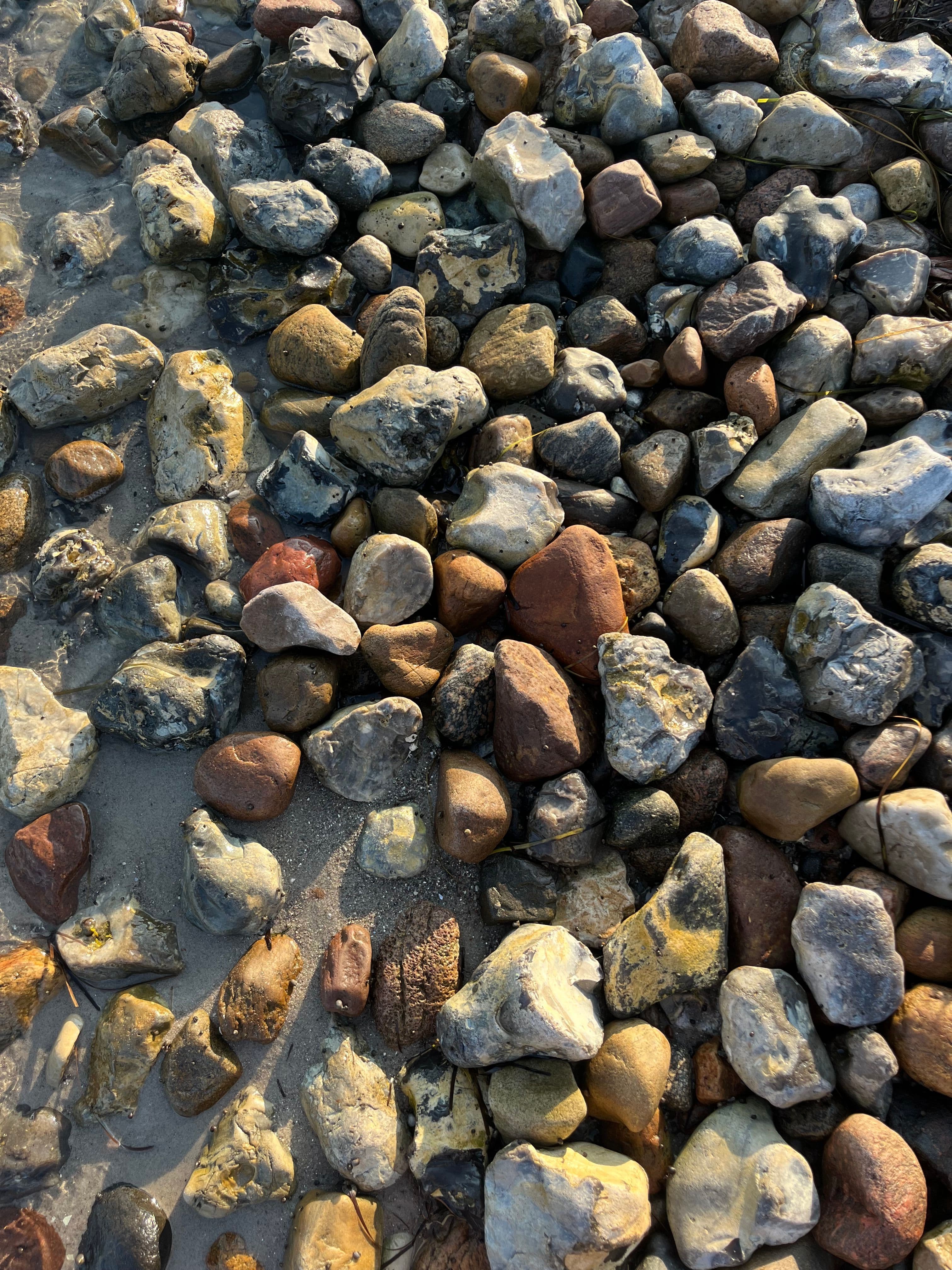
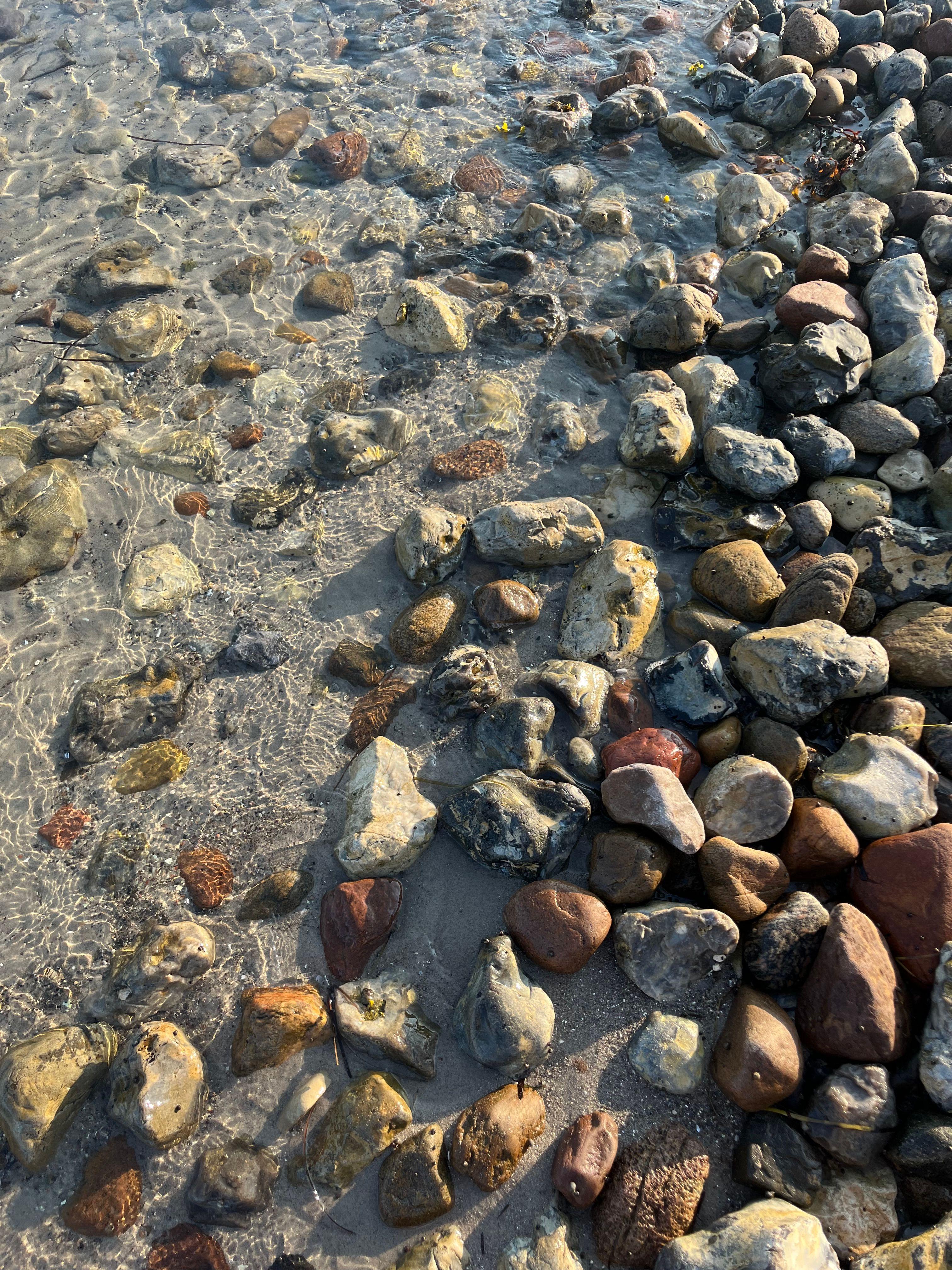
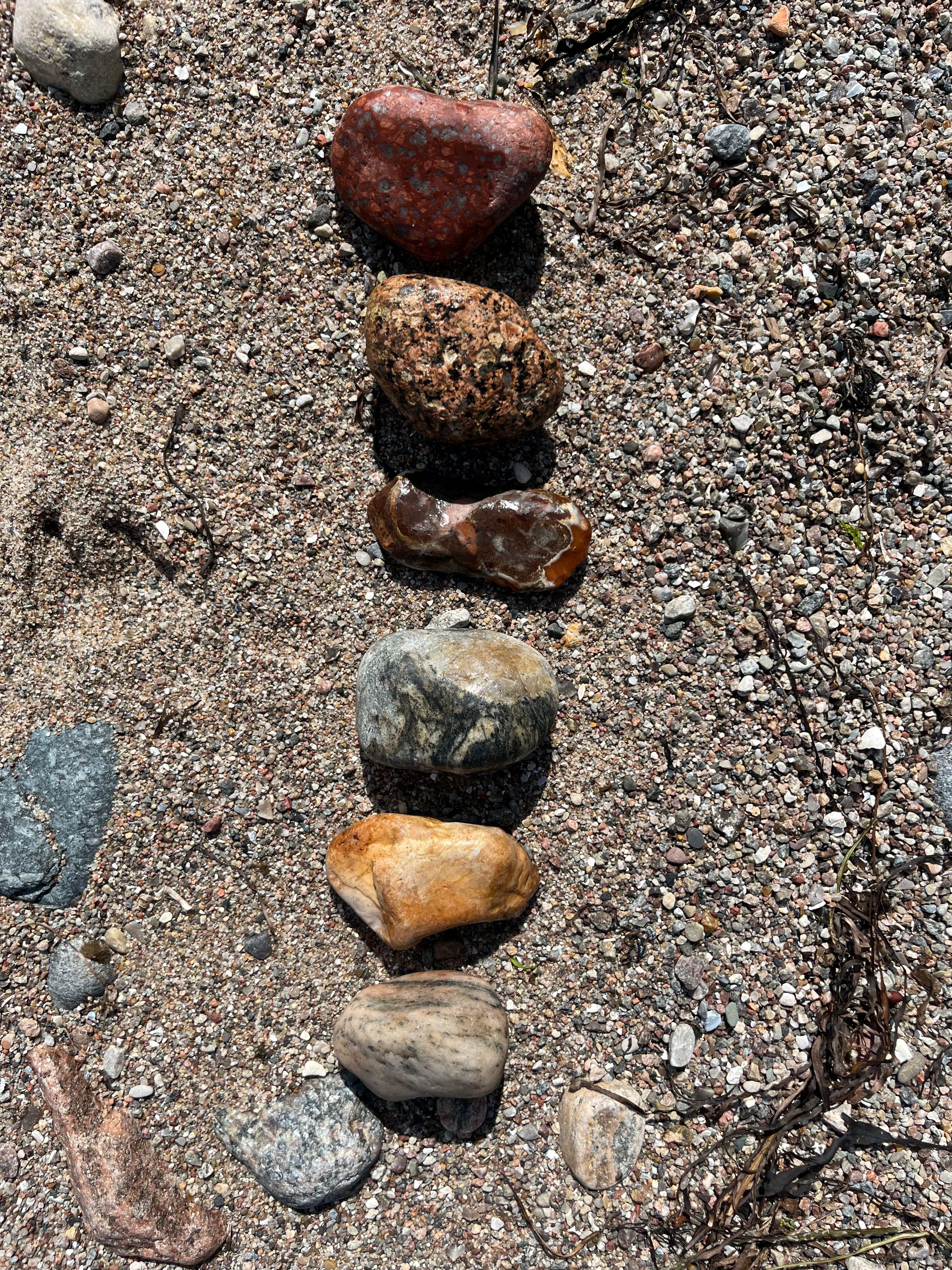
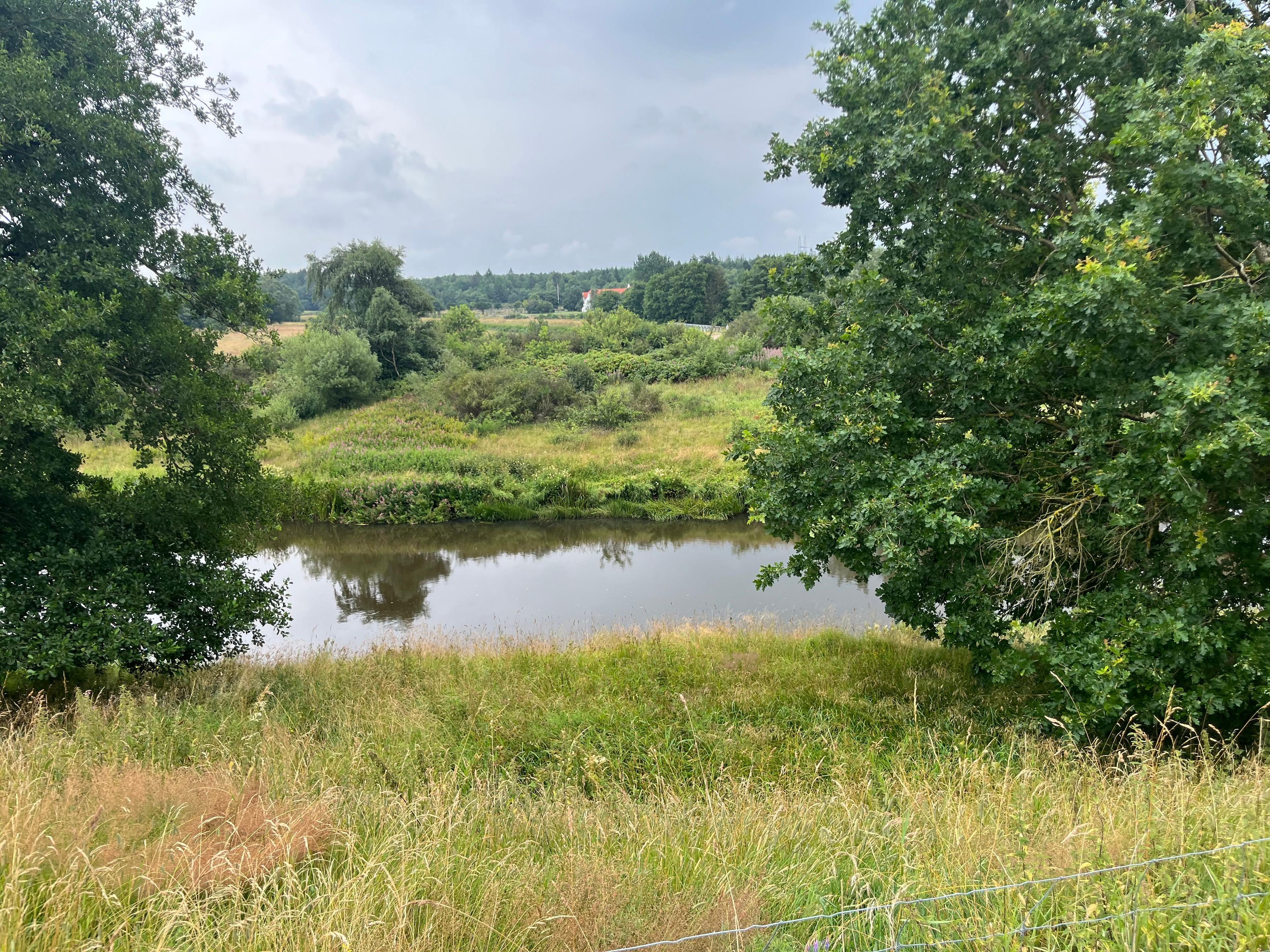
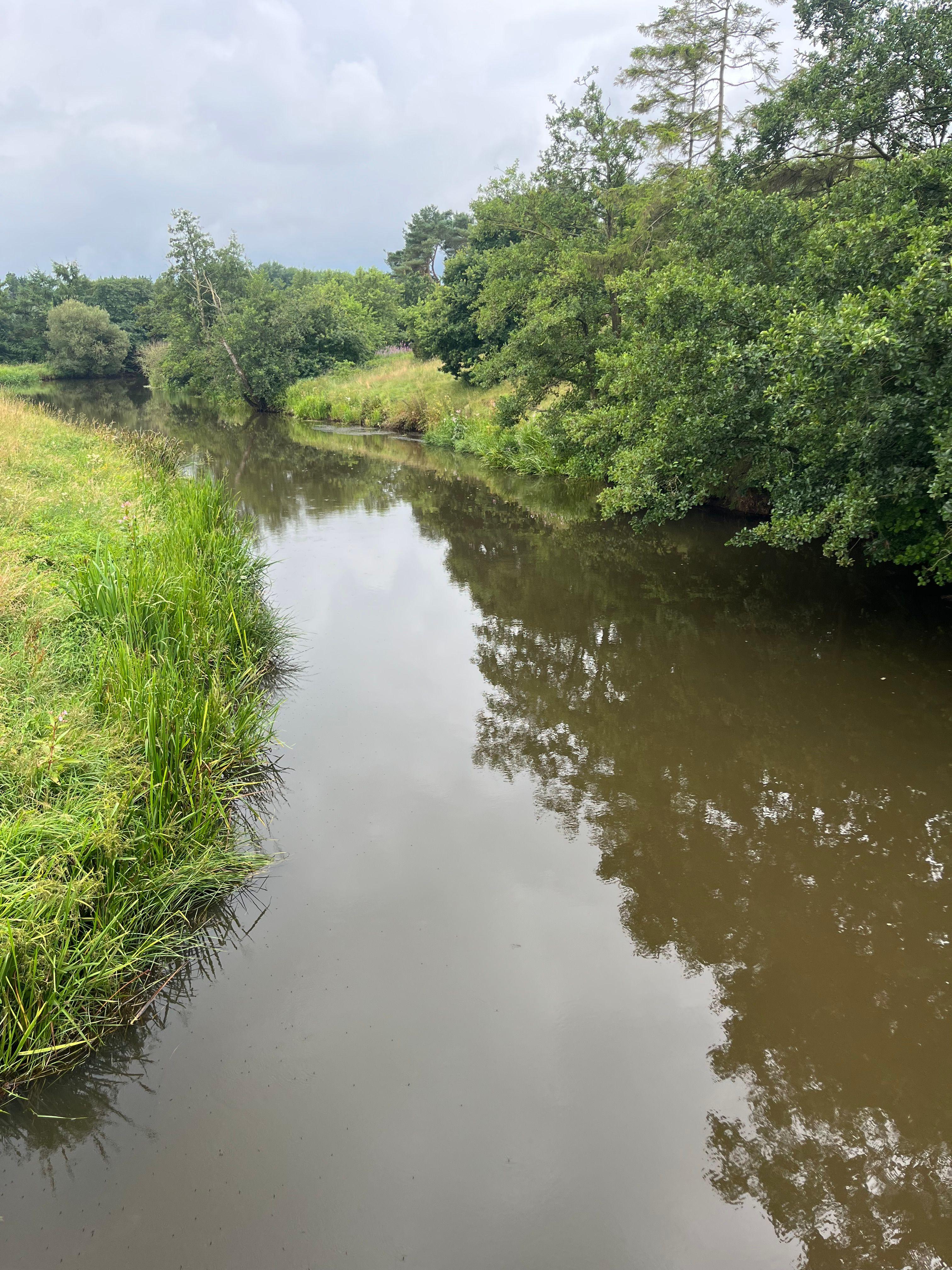
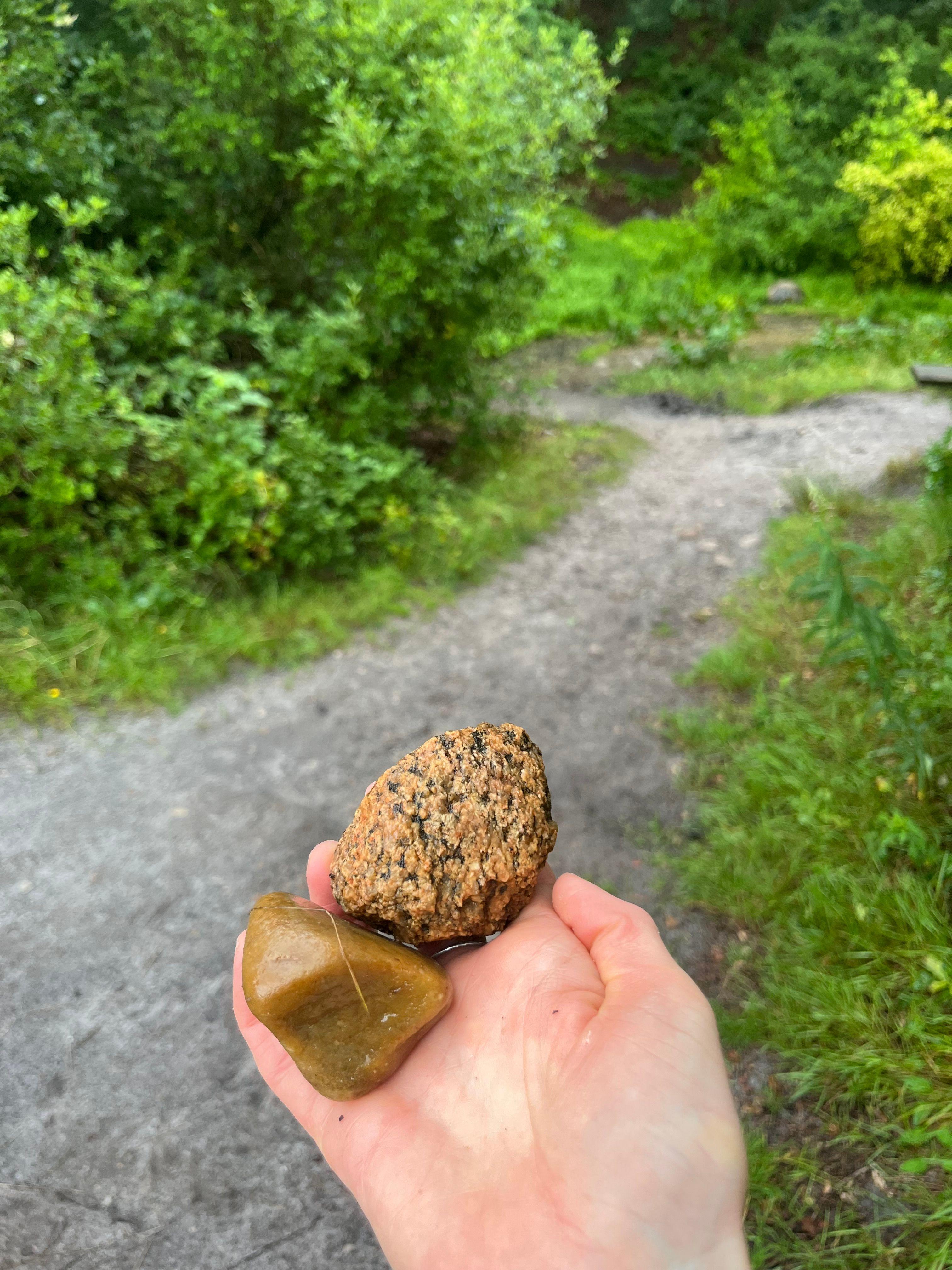

P(I)ACE OF P(I)ACES explores how landscapes, bodies, and memories connect across time and space. Conceived as a place to arrive, the work invites visitors to slow down and find places of belonging where stories, memories, and new relationships can unfold. At its centre is a massive sandstone slab carved with a map of Denmark's waterways. Developed in collaboration with cognitive scientist and computer programmer Sabrina Saki Hansen, the work brings together GIS data of Denmark's natural and human-made waterways into a single physical map. Branching across the landscape like veins, the waterways carry and sustain life, creating a correspondence between the land and the body. Patients, relatives, hospital staff, and visitors were invited to collect stones from places that held personal meaning. Nymann selected a number of these stones and had them hand-carved into spheres. Formed millions of years ago, the stones connect geological time with lived experience. Rather than representing territory, the work proposes a mnemesite: a place where geography becomes memory through participation.The stones remain porous and unsealed, allowing rain, snow, and moisture to slowly change their appearance over time. As they become wet, their colours deepen, while the sandstone slab itself gathers water, making the landscape temporarily come alive. Throughout the day, the stone spheres also cast shifting shadows across the map, turning the work into a quiet register of weather, light, and passing time. Visitors are invited to trace the waterways with their fingers, touch the stones, share stories, and add new ones over time. In this way, P(I)ACE OF P(I)ACES continues to grow as a living map of collective memory.